


Sacroiliac Belt for Lower Back & Pelvic Stability: What You Should Know
Sep 06, 2026
Lower back and pelvic discomfort is more common than many people realize, and in many cases, the sacroiliac (SI) joint plays a key role. The SI joint connects the spine to the pelvis and helps transfer forces between the upper body and legs. When this joint becomes strained or unstable, targeted support—such as a sacroiliac belt—may help improve comfort and stability during daily activities.
Understanding SI Joint Strain: Common Causes in Daily Life
SI joint strain often develops gradually rather than from a single injury. Everyday movements like prolonged sitting, standing unevenly, walking long distances, or lifting improperly can place repeated stress on the joint. Pregnancy, sports activities, and jobs requiring repetitive bending or twisting may also contribute to SI joint discomfort.
When the pelvis lacks stability, the SI joint can experience excessive movement, leading to localized lower back or hip pain. In these cases, external SI joint support may help reduce strain by limiting unwanted motion while allowing natural movement patterns.
How External Compression Supports Pelvic Alignment Without Restricting Movement
A well-designed sacroiliac belt works by applying gentle, targeted compression around the pelvis. This external compression helps improve pelvic stabilization, encouraging proper alignment of the SI joint during movement.
Unlike rigid braces, modern belts focus on balanced pressure rather than immobilization. This allows users to move comfortably while benefiting from enhanced pelvic stabilization. When worn correctly, the belt supports the joint without interfering with walking, sitting, or bending, making it suitable for daily wear.
When an SI Belt May Offer Additional Support During Activities
An SI belt may be especially helpful during activities that place extra load on the lower back and pelvis. Walking, light exercise, household tasks, or standing for long periods can all increase SI joint stress.
For individuals managing ongoing SI joint discomfort, wearing a belt during these activities may help improve confidence and reduce strain. While an SI belt is not a replacement for medical care, it can serve as a practical support tool alongside physical therapy, posture awareness, or activity modification.
Tips for Wearing an SI Belt Comfortably Throughout the Day
Comfort is essential for consistent use. An SI belt should be worn low on the hips, just above the pelvis, rather than around the waist. The fit should feel secure but not overly tight—compression should support, not restrict breathing or circulation.
Adjustable designs allow users to fine-tune tension throughout the day as activity levels change. Breathable materials and low-profile construction also make it easier to wear the belt discreetly under clothing, encouraging longer and more consistent use.
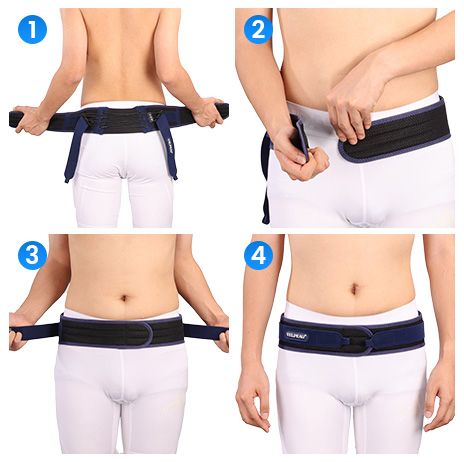
Choosing a Practical Sacroiliac Belt for Everyday Support
When selecting a sacroiliac belt, features such as adjustable compression, anti-slip design, and flexible support zones can make a significant difference in daily comfort and effectiveness. These elements help maintain proper positioning and consistent SI joint support throughout movement.