


How an Arm Sling Can Help After Shoulder Injury in Early Spring
Sep 06, 2026
Early spring often brings renewed energy and activity. As temperatures rise, people return to outdoor sports, seasonal chores, and hands-on projects that were paused during winter. While this shift feels refreshing, it also places sudden demands on the shoulder—one of the body’s most mobile and vulnerable joints. Understanding how an arm sling can support the shoulder during this time helps manage early discomfort and encourages safer recovery habits.
Why Shoulder Injuries Are More Common in Spring Sports and Chores
During winter, daily movement tends to be more limited. Muscles around the shoulder and upper back may lose conditioning, flexibility, and endurance. When spring arrives, activities such as gardening, cleaning, lifting storage boxes, painting, or recreational sports often resume quickly and intensely.
Many of these tasks involve overhead reaching, sustained arm elevation, or repetitive lifting—movements that place high load on the shoulder complex. Without gradual adaptation, tissues such as tendons and ligaments can become irritated. This makes spring a common time for shoulder strain, especially when people underestimate how much their activity level has changed.
Typical Spring Symptoms of Rotator Cuff Strain and Shoulder Sprain
Early shoulder injuries often start subtly. Symptoms may include dull aching after activity, stiffness in the morning, or discomfort when raising the arm sideways or overhead. Some people notice weakness when carrying objects or pain that increases at night.
Sleep disruption is common, which is why rotator cuff sling sleeping becomes relevant for some individuals. Difficulty finding a comfortable sleeping position can further fatigue the shoulder. These early signs don’t necessarily indicate severe injury, but they do suggest that the shoulder would benefit from reduced load and additional support.
How an Arm Sling Supports Healing and Prevents Further Strain
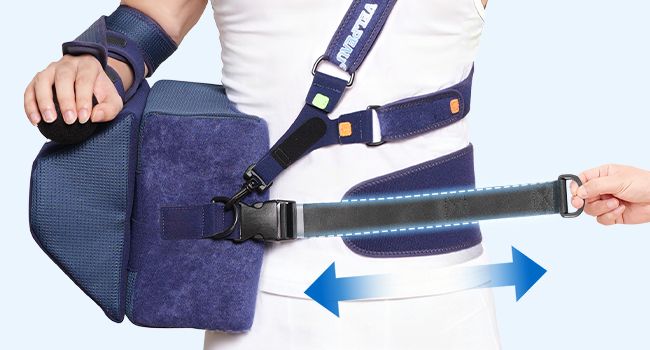
An arm sling helps by supporting the weight of the arm and reducing the downward pull on the shoulder joint. Acting as a shoulder and arm sling, it limits excessive movement that may aggravate irritated tissues during daily activities.
As an arm sling shoulder immobilizer, it encourages rest by minimizing sudden or uncontrolled arm motion. Many users prefer an adjustable arm sling, which allows positioning to be modified based on comfort, posture, or activity level throughout the day.
During spring, a lightweight arm sling or soft arm sling is often more comfortable, as breathable materials help manage temperature changes. Used consistently during active periods, a sling supports a calm recovery environment while helping prevent accidental overuse.
Safe Daily Tips: Wearing, Sleeping, and Dressing in Spring Weather
How long to wear a sling varies depending on daily demands and comfort. Many people benefit from wearing it during chores, outdoor activities, or commuting, and removing it during rest or brief, controlled movement as appropriate.
For sleeping, proper pillow support can help maintain shoulder alignment, especially if the sling is worn overnight. Dressing in spring weather is easier with loose layers, button-up shirts, or zip-front jackets that reduce the need for overhead arm movement.
Listening to fatigue signals and avoiding prolonged strain are just as important as wearing the sling itself.