


Top Benefits of Using a Shoulder Support Brace for Rotator Cuff Pain Relief
Rotator cuff discomfort is increasingly common in modern daily life. Long hours at a desk, frequent phone use, repetitive lifting, or unbalanced exercise routines can all place cumulative stress on the shoulder joint. While severe injuries require professional evaluation, many people experience mild to moderate shoulder strain that benefits from better support, movement awareness, and load management. In this context, a shoulder support brace can serve as a helpful tool within a broader, conservative shoulder-care approach.
Rather than being a “quick fix,” shoulder braces are most effective when understood as part of functional support and recovery education.
Common Causes of Rotator Cuff Strain in Daily Activities
The rotator cuff is responsible for stabilizing the shoulder during movement. Everyday activities—such as reaching overhead, carrying heavy bags on one side, or working with rounded shoulders—can gradually overload these small but important muscles and tendons.
Poor posture, especially prolonged forward-head and rounded-shoulder positions, may reduce natural shoulder stabilization. Over time, this can lead to fatigue, reduced coordination, and discomfort during routine motions. Importantly, these issues often develop gradually, making early awareness and support particularly valuable.
How a Shoulder Brace Provides Gentle Joint Support
From a functional perspective, a shoulder support brace works by offering external feedback and light compression around the joint. This support may help limit excessive or uncontrolled movements that contribute to irritation, while still allowing natural motion patterns.
Unlike rigid immobilization, modern braces aim to assist rather than replace muscular function. For individuals who experience discomfort during daily tasks, targeted rotator cuff support can help reduce unnecessary strain and encourage more mindful movement. Some designs also borrow principles from an arm sling shoulder immobilizer, offering adjustable restriction for periods when rest is needed, without forcing constant immobilization.
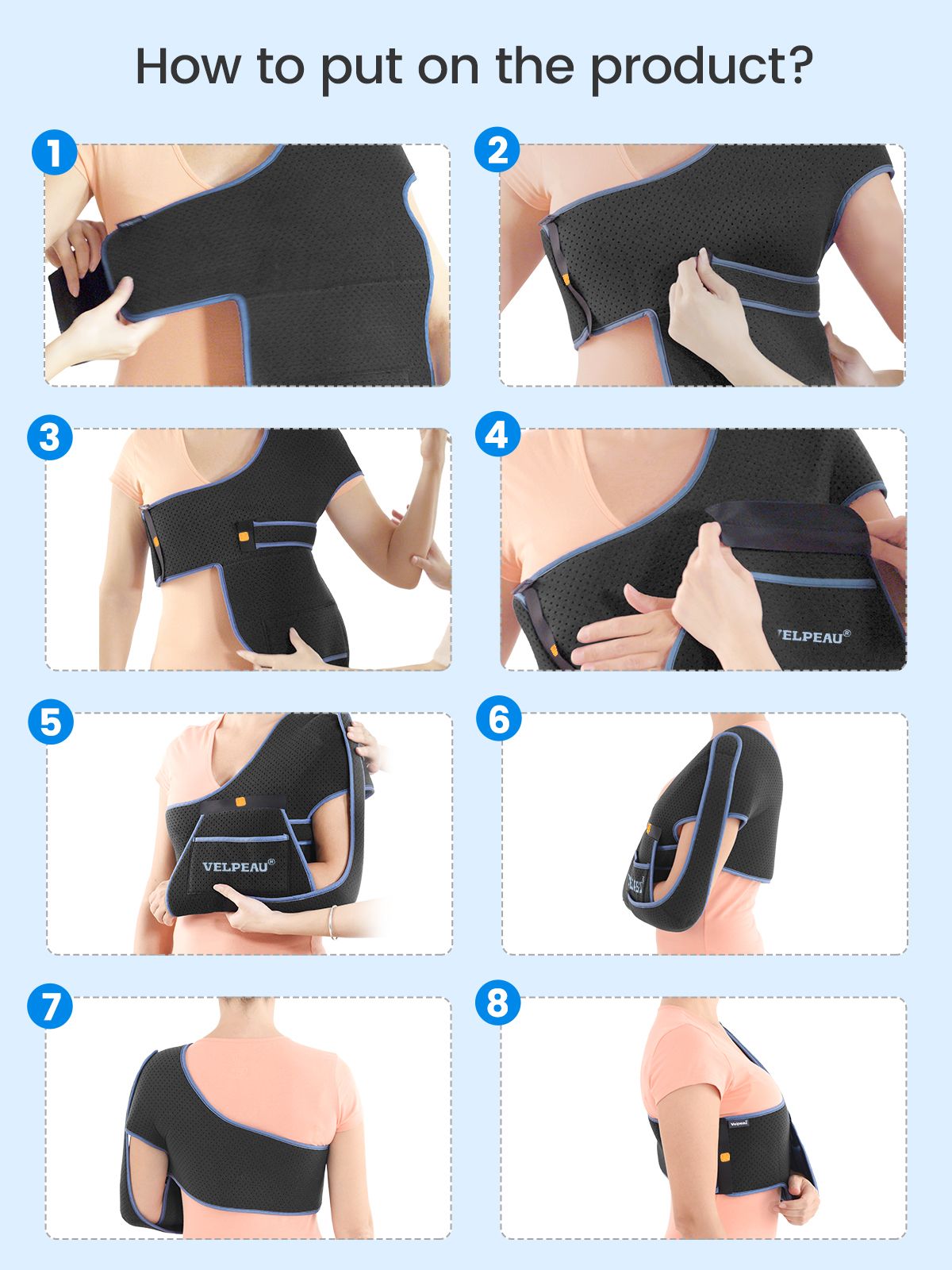
Maintaining Shoulder Mobility While Reducing Overload
Maintaining movement is an important principle in musculoskeletal health. Complete inactivity may lead to stiffness and reduced muscle engagement, while excessive activity can worsen discomfort. A well-designed shoulder brace supports this balance.
By providing consistent shoulder stabilization, a brace may help redistribute load across the joint during light activity. This can make everyday movements—such as typing, walking, or light household tasks—feel more controlled and comfortable. Over time, this supportive environment may encourage better posture and movement habits, which are key components of long-term shoulder care.
Tips for Combining Brace Use with Safe Exercise Habits
A shoulder brace is best used alongside safe, low-impact exercise habits. Gentle range-of-motion movements, posture awareness, and light strengthening exercises can support shoulder function when performed carefully. The brace can act as a reminder to avoid sudden or extreme movements, especially during periods of fatigue.
It’s important to note that a brace should not be overly tight or worn continuously without breaks. Comfort, skin health, and natural muscle engagement should always be considered. Used thoughtfully, a shoulder support brace can complement—not replace—active shoulder care strategies.
Applying Rehabilitation Principles When Choosing a Shoulder Brace
When selecting a brace, features such as adjustability, breathability, and ergonomic design matter more than rigidity. A brace that adapts to daily activities supports functional movement while offering reliable rotator cuff support.
For those seeking a solution aligned with these rehabilitation-focused principles, the Velpeau Shoulder Support Brace is designed to provide balanced support and comfort for everyday use. Its adjustable structure supports shoulder stabilization without excessive restriction, making it suitable for individuals managing ongoing shoulder strain during daily activities.
By focusing on education, movement awareness, and appropriate support tools, individuals can take practical steps toward healthier shoulder function—without relying on invasive or aggressive interventions.
Contact Us
US Company Address:
1211 Executive Dr East Richardson TX 75081
South Korea Company Address:
서울특별시 금천구 가산디지털1로 205-27,오1313호(가산동,가산에이1타워)
Thailand Company Address:
12 ซ.พัฒนาการ 41 ถ.พัฒนาการ แขวง/เขต สวนหลวงกรุงเทพมหานคร 10250

©2025 Velpeau All Rights Reserved.