


5 Things to Know about Double Hernia
A double hernia, also known as bilateral inguinal hernia, occurs when tissue or part of the intestine pushes through weak spots on both sides of the lower abdomen. While hernias are common, having a double hernia requires special attention and care. If you’ve been diagnosed with this condition, understanding its causes, severity, recovery, and proper support can help you manage it safely.
What is the Main Cause of Inguinal Hernia?
Inguinal hernias develop when the abdominal wall in the groin area weakens. The main causes often include chronic straining, heavy lifting, obesity, and age-related weakening of the abdominal muscles. Men are particularly prone to inguinal hernias due to the natural structure of the male groin. A double hernia occurs when both sides of the groin are affected, increasing the risk of discomfort and complications. Genetics may also play a role in abdominal wall weakness, making some individuals more susceptible to hernias.
How Serious is a Double Hernia?
The seriousness of a double hernia depends on size, symptoms, and whether complications arise. While many hernias are initially painless and small, a double hernia can cause more noticeable swelling and discomfort during daily activities. The most critical concern is a hernia becoming incarcerated or strangulated, where the tissue gets trapped and blood flow is cut off. Though rare, this is a medical emergency requiring immediate attention. Therefore, even if a double hernia seems minor, timely medical evaluation is important.
How Long is Recovery from a Double Hernia?
Recovery time varies depending on treatment type. If surgery is performed, most patients can expect to resume light activities within 1–2 weeks, with full recovery in 4–6 weeks. Non-surgical management focuses on reducing strain and supporting the groin area to prevent the hernia from worsening. During recovery, proper rest, avoiding heavy lifting, and using supportive devices can make a significant difference in comfort and healing speed.
Do’s and Don’ts for Double Hernia Recovery
Do’s:
- Wear a supportive hernia belt consistently, especially during physical activity.
- Follow a diet that prevents constipation to reduce straining.
- Engage in light exercise, like walking, as recommended by your doctor.
- Keep track of symptoms and report sudden pain or swelling.
Don’ts:
- Avoid lifting heavy weights or performing strenuous exercise too soon.
- Do not ignore discomfort or assume the hernia will resolve on its own.
- Refrain from sudden twisting or bending movements that increase abdominal pressure.
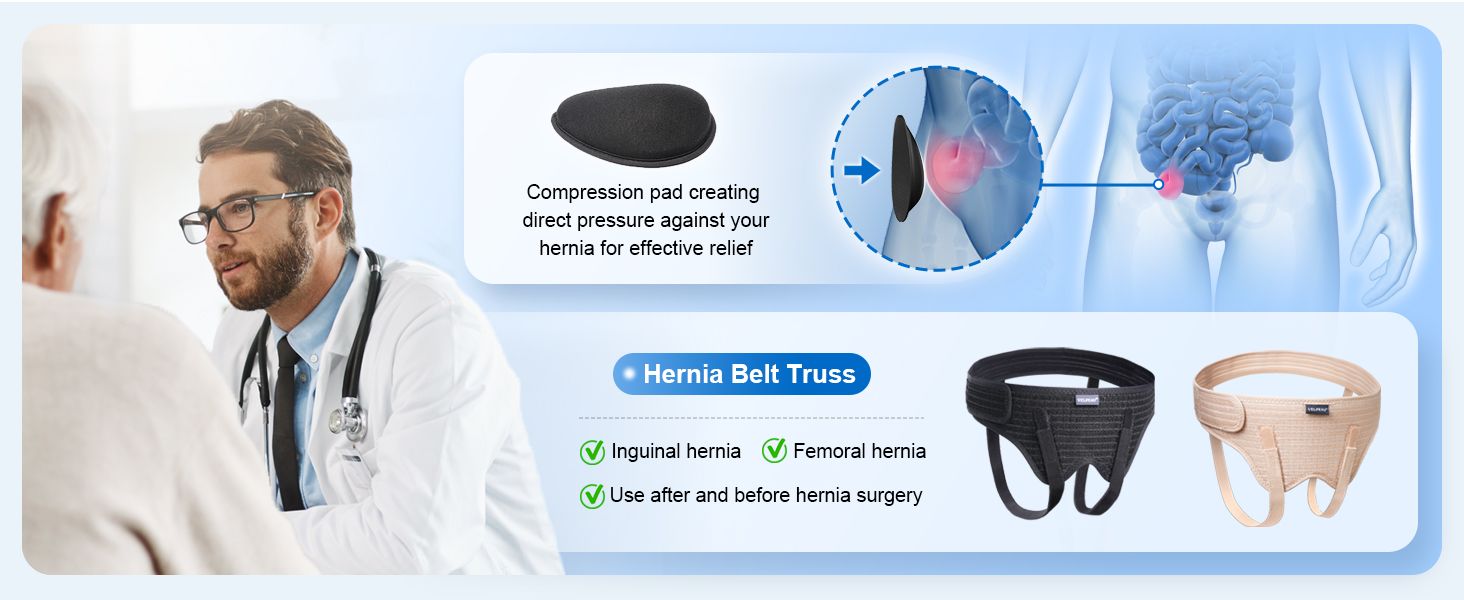
Why You Need an Inguinal Hernia Belt With Double Pads for Recovery
A high-quality inguinal hernia belt with double pads provides targeted compression and support to both sides of the groin, helping reduce discomfort and prevent the hernia from worsening. By offering groin hernia support, it allows patients to maintain daily activities more comfortably while following medical guidance. For men recovering from a double hernia, a Hernia Belt For Men with adjustable double pads ensures balanced support and can reduce the risk of aggravating the condition.
If you’re looking for an effective solution, consider the Velpeau Inguinal Hernia Belt With Double Pads.Designed specifically for double hernia support, it provides targeted compression, comfort, and stability for the groin area. By combining proper recovery knowledge with practical support, this belt helps you manage your hernia safely and confidently.
Contact Us
US Company Address:
1211 Executive Dr East Richardson TX 75081
South Korea Company Address:
서울특별시 금천구 가산디지털1로 205-27,오1313호(가산동,가산에이1타워)
Thailand Company Address:
12 ซ.พัฒนาการ 41 ถ.พัฒนาการ แขวง/เขต สวนหลวงกรุงเทพมหานคร 10250

©2025 Velpeau All Rights Reserved.