

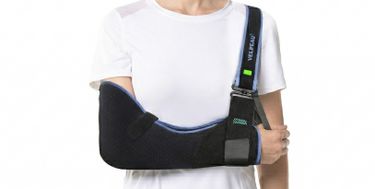
What Injuries Need an Arm Sling?
If you have recently injured your shoulder, upper arm, elbow, or collarbone, an arm sling may be one of the first forms of support recommended during recovery. That is not simply because it keeps the arm close to the body. A sling can reduce strain on injured tissues, limit unnecessary movement, and make daily life more manageable while the area begins to heal.
Many people assume slings are only for broken bones. In practice, they are also commonly used for dislocations, soft tissue injuries, post-surgical recovery, and flare-ups that make the arm feel weak, heavy, or difficult to control comfortably. The bigger question is not whether the injury looks dramatic. It is whether the arm needs protection, better positioning, and less day-to-day stress.
Which injuries commonly need an arm sling?
Not every arm injury requires sling use, but the following conditions often benefit from short-term or structured support as part of a recovery plan.
Fractures are one of the clearest examples — especially injuries involving the collarbone, shoulder area, upper arm, or certain elbow fractures. When a bone has been injured, even small accidental movements can create sharp discomfort and unnecessary stress around the healing area. A sling helps keep the arm in a steadier position and reduces the constant pull that happens when the limb is left unsupported.
Shoulder dislocations and similar shoulder injuries are also common reasons for sling use. After the joint has been put back in place or the injury has been assessed, the arm often feels unstable, painful, and easily irritated by everyday motion. In those first days or weeks, support can make a major difference in comfort and protection.
Soft tissue injuries are sometimes underestimated. A muscle strain, tendon irritation, or rotator cuff flare-up may not involve a fracture, but it can still make ordinary movement surprisingly difficult. In the right situation, a sling helps calm the area down by reducing repeated strain rather than asking injured tissue to tolerate constant low-level tension all day.
Post-surgical recovery is another common context. Many shoulder and upper limb procedures require temporary immobilization, and the type of sling — along with how long it should be worn — will depend on the specific procedure and your clinician's guidance.
Severe overuse or inflammation can also reach a point where the arm needs to be properly offloaded, not just rested. A sling allows inflamed structures to settle without the constant background tension that comes from holding the arm unsupported throughout the day.
What does a sling actually do during recovery?
A sling does more than hold the arm in place. It changes how the injured side is carried throughout the day, which can affect both comfort and recovery behavior.
1. It supports the weight of the arm. That reduces pulling on the shoulder and upper arm.
2. It limits uncontrolled movement. Small motions like reaching, turning, or catching yourself can aggravate an injury without you noticing.
3. It improves positioning. A better resting position often makes walking, standing, and sitting more comfortable.
4. It acts as a reminder. A sling makes it easier to avoid using the injured arm too soon.
That last point matters more than many people expect. Recovery often slows down not because of one major mistake, but because of dozens of small ones: lifting a bag, extending the arm too far, or letting the shoulder absorb more weight than it should. A sling helps reduce those small setbacks by making protection part of normal daily movement.
Comfort is also part of the equation. A sling that fits well and feels breathable is more likely to be worn consistently, which is exactly what good support is supposed to encourage. If support feels awkward or bulky, people often stop using it before the injured area is truly ready.
Can pain relief replace physical support?
Not really. Pain relief and physical support do different jobs, and one does not replace the other.
Depending on the injury, a clinician may recommend anti-inflammatory treatment alongside rest and sling use. Some people use diclofenac gel for more localized discomfort around sore tissues, especially when the pain is more limited to one area. Others may be advised to consider an oral option such as diclofenac sodium 75mg when broader pain or inflammation management is needed.
But here is the important distinction: medication may help reduce symptoms, while a sling helps control the mechanical stress placed on the injured arm. Feeling better does not automatically mean the area is ready for full use again. In fact, once pain eases, some people become more likely to move too freely too soon. That is exactly when physical support can still be doing valuable work in the background.
In simple terms, pain relief may make recovery feel easier, but support helps recovery stay protected.
How long should you wear an arm sling?
That depends on the type of injury, how severe it is, and what your clinician wants the arm to do during each stage of recovery. A mild strain may only need a short period of support. A fracture, dislocation, or post-surgical case may require more structured use over a longer period.
One common mistake is stopping sling use the moment pain improves. Pain reduction is helpful, but it is not always a reliable sign that healing is complete. Tissue can still be vulnerable even when it feels noticeably better. That is why the safest timeline is the one guided by medical advice rather than guesswork.
It also helps to remember that sling comfort matters over time. Support should feel secure enough for daily activity, restful enough for quieter periods, and adjustable enough to fit the body properly as swelling or stiffness changes through recovery.
When should you seek medical advice?
A sling can be useful support, but it is not a substitute for proper evaluation when symptoms are more serious. Seek medical care promptly if you notice:
- severe or worsening pain,
- visible deformity,
- major swelling,
- numbness or tingling,
- loss of strength or function,
- or inability to move the arm normally.
These signs may point to an injury that needs more than simple at-home support.
Support that matches the recovery, not just the injury
Fractures, shoulder dislocations, soft tissue strains, rotator cuff injuries, post-surgical recovery, and severe overuse problems may all benefit from temporary support when the arm needs protection, better positioning, and less strain. The key point is not simply immobilization — it is giving the injured arm the right environment to recover with less stress and more consistency.
When support is comfortable, breathable, and designed for real daily wear, people are much more likely to use it the way they should. If you are looking for practical day-to-day support during recovery, explore the Velpeau arm and shoulder support range.
Contact Us
US Company Address:
1211 Executive Dr East Richardson TX 75081
South Korea Company Address:
서울특별시 금천구 가산디지털1로 205-27,오1313호(가산동,가산에이1타워)
Thailand Company Address:
12 ซ.พัฒนาการ 41 ถ.พัฒนาการ แขวง/เขต สวนหลวงกรุงเทพมหานคร 10250

©2025 Velpeau All Rights Reserved.